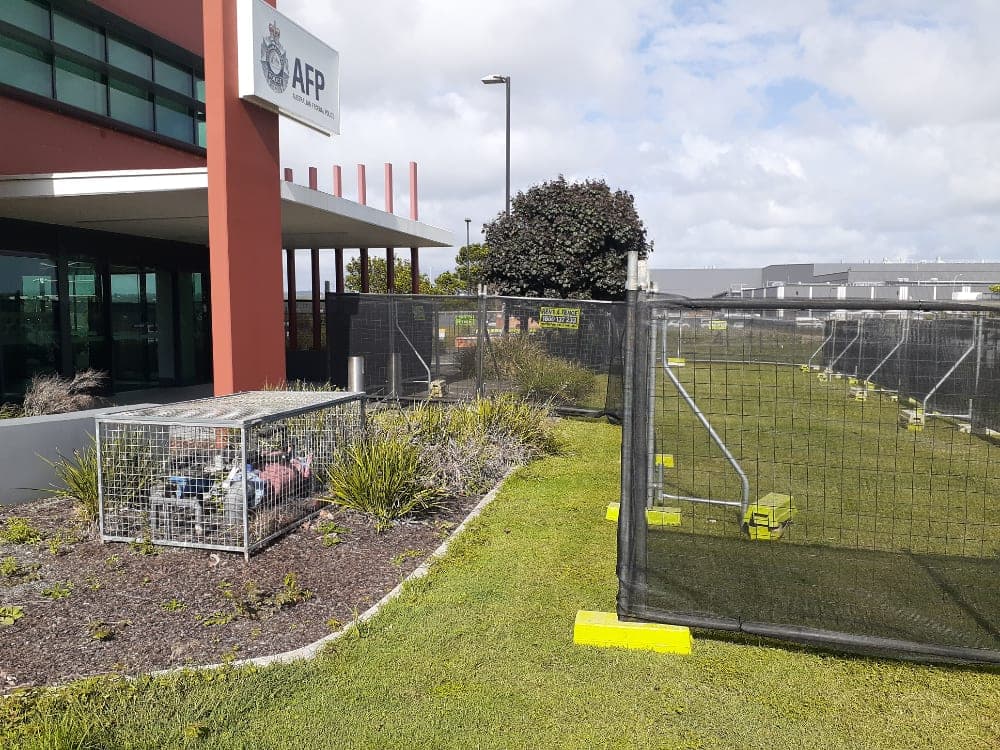
Construction sites are bustling hubs of activity, teeming with potential hazards that pose risks to both workers and the general public. In the quest for utmost safety, one indispensable solution comes in the form of temporary fencing. These versatile barriers play a vital role in safeguarding construction sites, fortifying workers, deterring trespassers, and mitigating potential dangers.
The Imperative Role of Temporary Fencing
Temporary fencing emerges as a crucial safety measure at construction sites, providing a tangible partition that demarcates the site from its surroundings. Its primary purpose is to act as a deterrent, discouraging unauthorised entry and effectively safeguarding the site against trespassers. By clearly defining boundaries, temporary fencing aids in maintaining the safety of workers, pedestrians, and neighbouring properties, effectively minimising the risk of accidents or injuries.
Securing Construction Sites
At the heart of temporary fencing lies its ability to secure construction sites. It serves as a formidable barrier, curbing access for unauthorised individuals and thereby thwarting potential theft, vandalism, or tampering with construction materials and equipment. By exerting control over site access, temporary fencing bolsters protection for valuable assets and ensures that only authorised personnel are present within the designated area.
Safety Measures and Hazard Mitigation
Temporary fencing plays a pivotal role in implementing safety measures and mitigating hazards at construction sites. By employing temporary fencing, construction companies actively comply with safety regulations and guidelines. This includes preventing construction activities from encroaching onto public spaces or posing hazards to nearby pedestrians and motorists.
A Plethora of Temporary Fencing Options
Temporary fencing encompasses a wide variety of options, granting flexibility to cater to the unique needs of different construction sites. Among the most commonly employed types is temporary mesh fencing, prized for its adaptability and effectiveness. This sturdy fencing solution restricts access while allowing visibility. The fence's robust structure and wire mesh design effectively deter climbing or breaching attempts, bolstering security.
Meeting Safety Standards and Requirements
To ensure optimal efficacy, temporary fencing must adhere to minimum safety requirements. Factors such as appropriate height, structural stability, and meticulous installation techniques come into play. In areas with high wind exposure, additional bracing might be necessary to reinforce the fence. Moreover, designated entry points should be equipped with gates to facilitate controlled access for authorized personnel.
Amplifying Safety and Communication with Banner Mesh
In addition to standard temporary fencing, auxiliary measures can be implemented to further enhance safety and communication at construction sites. Banner mesh acts as a visual barrier, preventing external visibility of construction activities. Moreover, banner mesh proves to be an invaluable communication tool. Construction companies can harness the power of banner mesh to display critical messages, safety guidelines, or project-related information.
Regulatory Compliance and Risk Assessment
When it comes to temporary fencing and ensuring safety at construction sites, conducting a comprehensive risk assessment is paramount. Temporary fencing should be installed in accordance with relevant regulations and guidelines, adhering to Australian standards for construction site fencing. By adhering to these regulations and guidelines, construction companies demonstrate their unwavering commitment to safety while sidestepping potential legal complications.
Temporary fencing emerges as an indispensable tool for ensuring safety at construction sites. As a physical barrier, it effectively thwarts unauthorised access, fortifies the site, and shields workers and the public from potential hazards. Contact Rentafence or browse our products to find the right solution for your project.