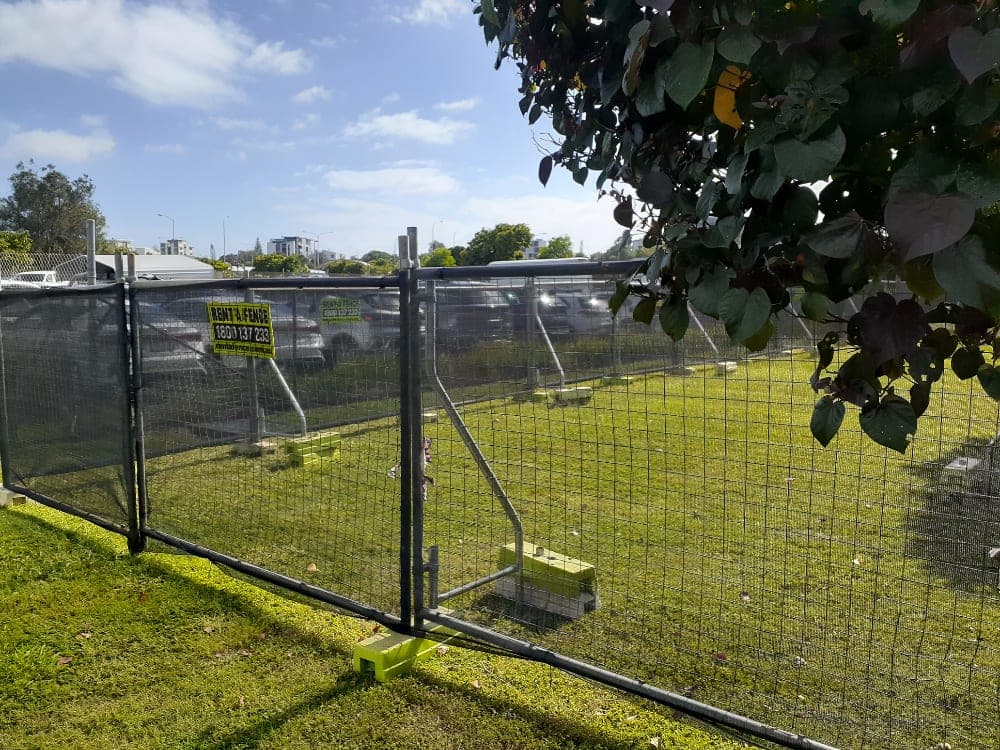
Every so often the global economy reminds the hire industry what its fleet is made of. Steel prices surge, on construction booms, on stimulus programs, on shipping shocks, and every business whose product is welded wire and galvanised frame feels the same squeeze from two directions: replacement stock costs more exactly when demand for it peaks.
Why hire feels it differently to retail
A retailer passes cost increases through in weeks. A hire fleet cannot: its assets were bought across a decade at a decade's prices, and they earn at rates set by a competitive market, while replacement and growth stock arrives at today's steel price. Meanwhile attrition never pauses, panels meet excavators, feet crack, equipment ages out, so "just stop buying" is really "start shrinking".
The squeeze is structural, which means the durable answers are structural too.
Answer one: make it yourself
Rentafence manufactures its fencing at its Brisbane facility, and in a supply squeeze that changes three things.
The queue disappears. An importer's replenishment runs through an overseas factory's order book and a container port's backlog. A local manufacturer's runs from raw steel landing to panels leaving, days, not months, which is the difference between honouring peak season commitments and apologising through them.
The specification holds. Scarcity tempts substitution: lighter gauge, thinner galvanising, whatever ships. Owning production means the specification survives the cycle, and the fleet stays uniform, panels from the squeeze years coupling with panels from the good years, per the AS 4687 system logic.
Answer two: repair like it matters
In cheap steel years, repair is good practice; in dear steel years it is strategy. Every panel straightened, re welded and re galvanised to specification is a panel not bought at peak prices. The ISO 9001 governed inspection and repair loop is what makes fleet longevity real rather than rhetorical, and fleet longevity is what the hire economics customers rely on are built from.
What customers can usefully do
- Book earlier. In tight cycles, availability binds before price does.
- Order real quantities. Safety margin stock that never leaves the stack starves other jobs.
- Flag the long hires. Multi month commitments get planned differently, tell us at quoting.
- Return promptly. Idle equipment on a finished site is the tightest constraint in the system.
The longer view
Supply shocks pass; the lesson stays. A hire fleet backed by local manufacturing and disciplined repair rides cycles that break import dependent models. That resilience is invisible on a quiet Tuesday and decisive in a squeeze, which is precisely when your project needs the fence to arrive anyway.
Request a quote, early beats late in every cycle, or get in touch.