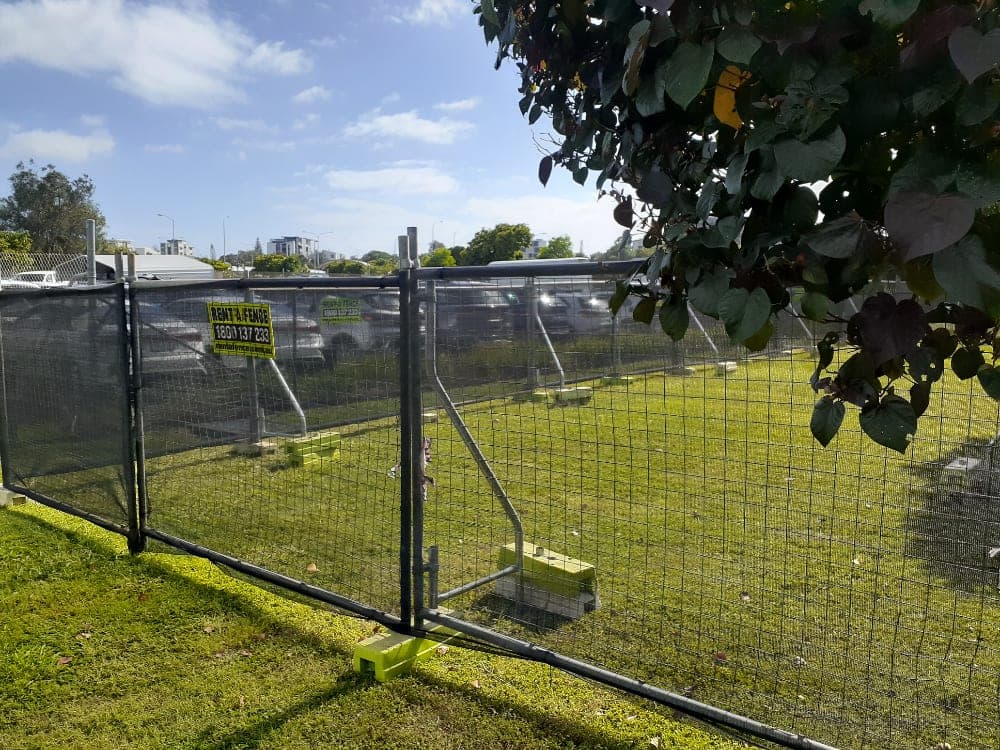
Most hire relationships are judged in the gap between "yes, go ahead" and a finished perimeter. This is what that gap contains at Rentafence, told from the customer's side of it.
Step one: the quote that matches the site
A useful quote starts with real information: the run length, from your measurements or the fencing calculator, the gates the site needs, the hire duration, and anything that changes the engineering, sheeting, exposed positions, soft ground. Site plans and marked up aerials are gold; a photo of the street frontage answers ten questions at once.
What comes back is a quote for the job rather than a rate card: panels, feet, couplers, bracing where the run needs it, gates, and installation. If a pool, a road interface or a wildlife condition is in play, the specialist lines, pool panels, water barriers, koala fencing, are in the same document.
Step two: scheduling around your programme
On acceptance the job takes a delivery date. Two things make this stage work:
- The site contact. One name and number who knows where the fence line goes and can be reached on the morning.
- Access honesty. Overhead wires, locked gates, soft ground after rain, a body corporate that needs notice: whatever complicates truck access is cheaper to know before the truck leaves.
Equipment comes off the Brisbane manufacturing and fleet operation, which is what keeps availability real even in peak season: the same facility that builds fence for the fleet backs the hire commitments made against it.
Step three: installation day
The crew arrives with the equipment, sets out the line as agreed, and builds the run: feet placed, panels coupled, bracing fitted where the specification calls for it, gates hung and swinging the right way. Sheeting, if ordered, goes on with the extra ballast it requires.
Your part is short: confirm the line before the run goes up, especially boundaries near neighbours, and walk it after, checking gates latch and the line matches the plan. Five minutes of walking beats a return visit.
Step four: the hire, and the changes
Sites move. Runs get extended for a new stage, gates migrate as access changes, hire periods follow the programme. All routine: contact us as changes appear and the fleet follows. What should not happen silently is damage, a panel hit by plant or a run flattened by weather is a call, not a note for pickup day, because a gap in the perimeter is a live risk while it stands open.
Step five: collection and closeout
When the job finishes, the crew returns, strikes the run and reloads. Sites with staged completions release fencing progressively, which suits builders handing over in sections. What you want at closeout is what we want: equipment counted off, site clean, invoice matching the hire that actually happened.
The point of the process
None of this is remarkable, which is the point. A fence hire should be one decision followed by silence, while the perimeter does its work and the project gets the attention instead.
Request a quote to start one, or read what to expect from Rentafence and the hire FAQ first.