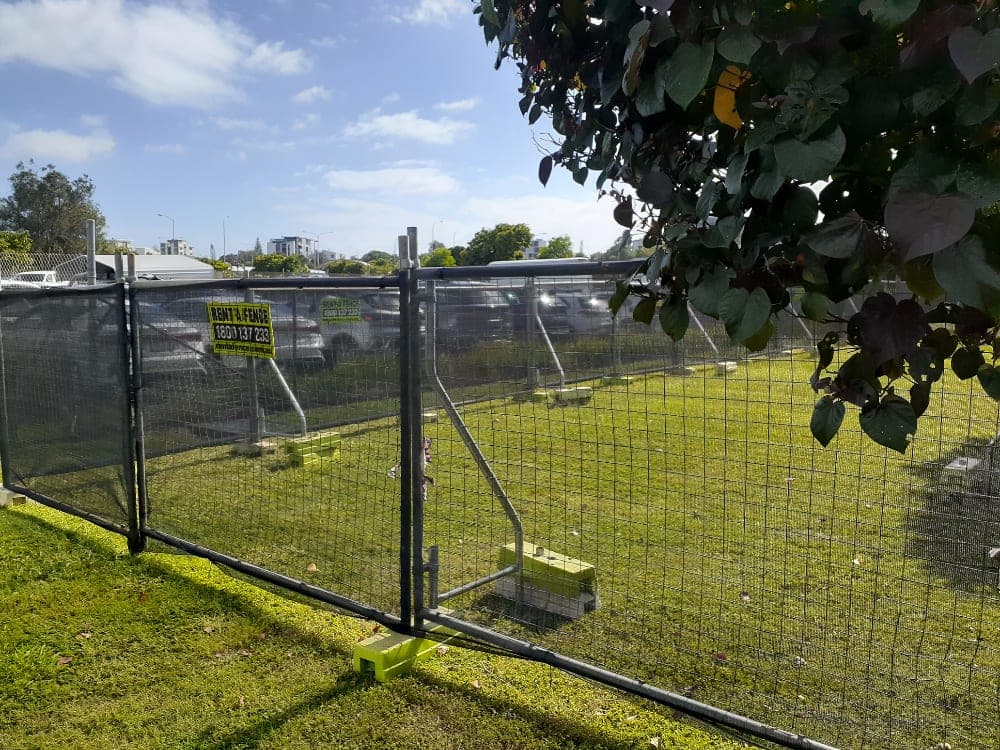
Somewhere on your project's boundary, several hundred square metres of surface faces the street at eye height, in front of every passer by, every day, for the life of the job. Left bare, it is a fence. Printed, it is the cheapest sustained advertising placement your project will ever hold. Custom banner mesh is how the conversion happens.
What projects print
- The brand story: builder, developer, project name and the render of what is coming, the hoarding line as pre sales frontage
- The practical layer: gate numbers, delivery instructions, site contact, induction requirements, the statutory signage a site must display anyway, made legible
- The public face: screening that turns a muddy work zone into a tidy street frontage, with dust suppression as the working bonus
- The event version: sponsor runs, entry conditions and wayfinding on festival perimeters, where the fence is the only architecture on site
Formats and production
Rolls of 50 metres carry a repeating design down long runs; single panels carry the specific messages, gate boards, statutory notices, the sponsor who paid for pole position. Printing runs through the custom banner printing service from supplied artwork, and delivery lands with the fencing itself.
Design for the medium, not the screen
Fence mesh is read at distance, at speed, at an angle, on a surface that breathes with the wind. The rules that survive those conditions:
- One idea per glance. A driver gives the fence two seconds; a pedestrian, five. Name plus message beats paragraph, every time.
- Contrast over subtlety. If it reads at 30 metres, it works; if it needs 5, it decorates.
- Respect the edges. Fixings and tension live at panel borders, artwork keeps its critical content off them.
- Repeat, do not enlarge. A message every third panel beats one heroic image around a corner nobody rounds.
- Design the join. Long runs meet themselves; repeating patterns absorb joins, single sweeping images advertise them.
The wind clause, non negotiable
Print converts breathable mesh into partial sail, and the fence run must be braced and ballasted for the load, engineered with the sheeting per the AS 4687 system logic, not upgraded after the first front comes through. Exposed frontages and corners lead the bracing plan. Flag the banners in the original quote and the run arrives built for them.
Reuse is the budget trick
Undated artwork, project name without the completion quarter, sponsor logos without the year, survives to the next job or season. Dated artwork is single use by design. The sustainable events guide runs the same logic across the whole event kit.
Getting printed
Run length, panel count and artwork state are the whole brief. Request a quote or get in touch, and the banners arrive with the fence they belong on.